Common Cyber Attacks in 2026 and How to Avoid Them
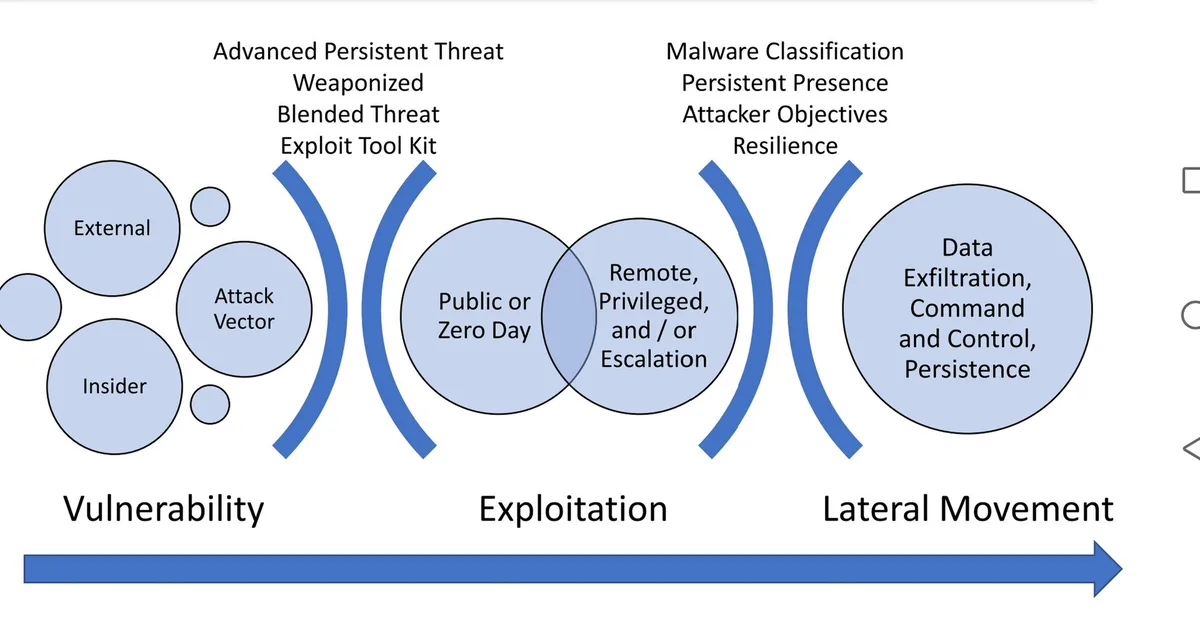
Understanding how cyber attacks work is the first step to defending against them. Most breaches follow a small number of well-worn playbooks, and recognizing the patterns lets you stop them before they cause harm.
This article walks through the most common attacks of 2026 and the practical defenses that neutralize each one.
1. Phishing and Social Engineering
Phishing manipulates people into revealing information or clicking malicious links, often by impersonating a trusted brand and creating a false sense of urgency. It is the most common entry point for breaches because it targets human psychology rather than technical defenses.
Slow down and verify
Urgency is the hallmark of a scam. When a message pressures you to act immediately, pause and verify it through an independent channel before doing anything.
2. Malware and Ransomware
Malware is malicious software that infiltrates your device, and ransomware is its most damaging form, encrypting your files and demanding payment. Defenses include keeping software updated, avoiding untrusted downloads, and maintaining offline backups that let you recover without paying.
3. Network and Credential Attacks
- Man-in-the-middle attacks intercept traffic on insecure networks; a VPN and HTTPS defend against them.
- Credential stuffing reuses leaked passwords; unique passwords and 2FA stop it.
- Brute force attempts guess passwords rapidly; strong passwords and lockouts block it.
4. Building Layered Defenses
No single control stops everything, so combine multiple layers: education to resist phishing, technical controls like firewalls and updates, strong authentication, and backups for recovery. This defense-in-depth approach ensures that one failure does not lead to a full compromise.
5. Key Takeaways
- Phishing exploits human psychology and remains the top threat.
- Updates, caution, and offline backups defeat ransomware.
- VPNs, HTTPS, and unique passwords block network attacks.
- Urgency is a red flag; verify before you act.
- Layered, defense-in-depth security beats any single control.