SQL for Data Scientists: From Basics to Advanced Queries
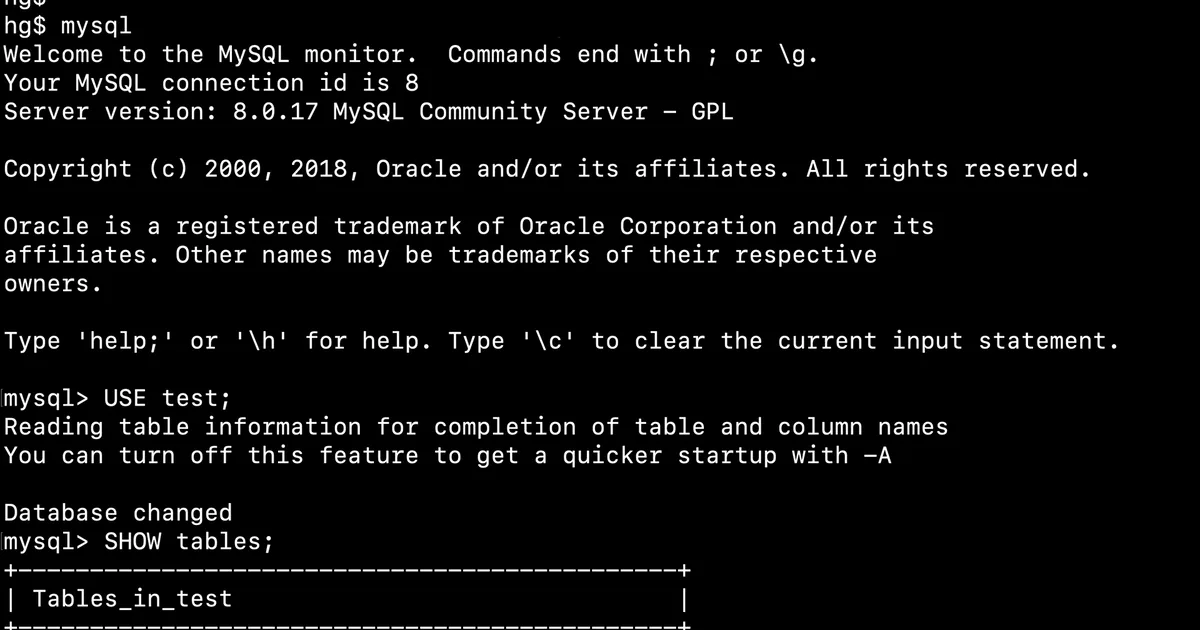
Despite the rise of fancy tools, SQL remains the most essential and durable skill in data science. The vast majority of the world's data lives in relational databases, and SQL is how you get it out and shape it.
This guide takes you from the basics to the advanced queries that separate competent analysts from great ones.
1. The Foundations
Every SQL journey starts with selecting columns, filtering rows with WHERE, sorting with ORDER BY, and aggregating with GROUP BY. These few clauses already answer a huge share of everyday data questions.
2. Joining Tables
Real data is spread across multiple tables, and joins combine them. Understanding inner joins, which keep only matches, and left joins, which keep all rows from one side, is fundamental to working with relational data.
Joins trip up beginners
Most SQL confusion comes from joins producing too many or too few rows. Always know the relationship between your tables and which join preserves the rows you need.
3. Advanced Techniques
- Window functions compute running totals and rankings without collapsing rows.
- Common table expressions break complex queries into readable steps.
- Subqueries let you filter or compute based on intermediate results.
4. Writing Efficient Queries
As datasets grow, efficiency matters. Select only the columns you need, filter early, and understand how indexes speed up lookups. Writing clear, well-structured SQL is also a form of communication, since your queries become documentation others read and reuse.
5. Key Takeaways
- SQL is the most durable, essential data science skill.
- Select, filter, sort, and group answer most questions.
- Joins combine tables and are the main source of confusion.
- Window functions and CTEs unlock advanced analysis.
- Efficient, clear queries scale and double as documentation.