What is IoT? The Internet of Things Simply Explained
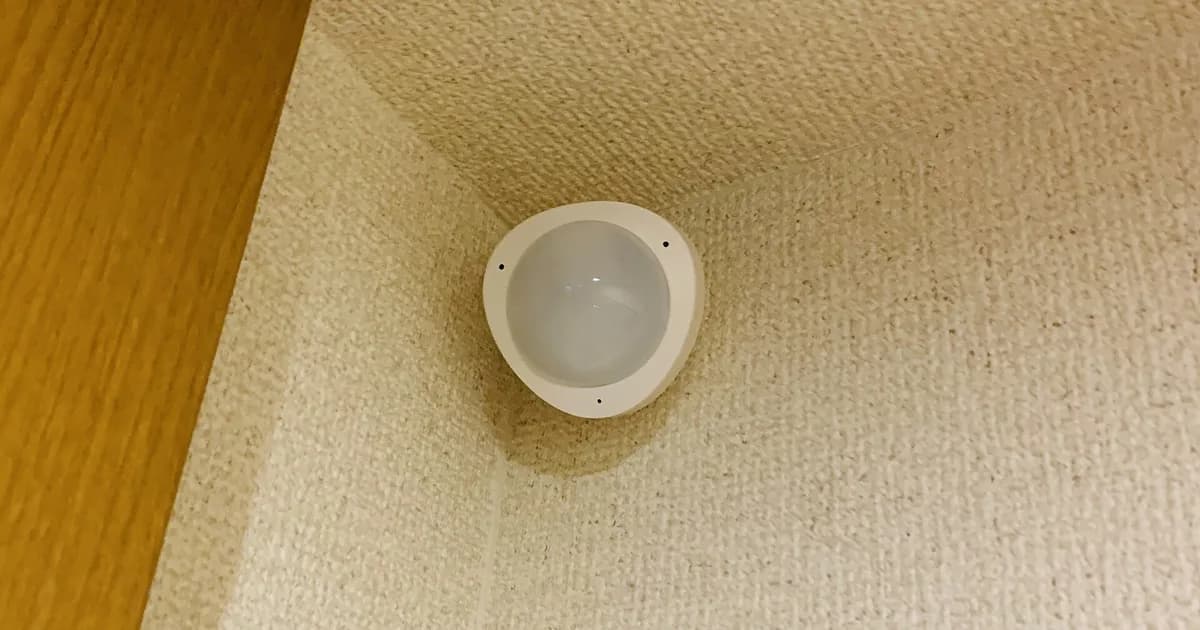
The Internet of Things describes the vast and growing web of everyday objects connected to the internet, from thermostats and doorbells to industrial sensors and city infrastructure. It is quietly transforming how we live and work.
This beginner-friendly guide explains what IoT is, how it works, and why it matters.
1. What IoT Means
IoT refers to physical devices embedded with sensors and connectivity that collect data and communicate over the internet. A connected device can sense its environment, send that information to the cloud, and act on instructions, all without human intervention.
2. How IoT Works
- Sensors collect data such as temperature, motion, or location.
- Connectivity sends that data over Wi-Fi, cellular, or other protocols.
- The cloud processes and analyzes the incoming information.
- Actions are triggered, like an alert or adjusting a device.
Data is the whole point
The value of IoT comes from turning streams of real-world sensor data into useful insight and automated action, whether that means saving energy, preventing failures, or improving convenience.
3. Everyday Examples
Smart thermostats learn your schedule to save energy, fitness trackers monitor your health, connected cars report diagnostics, and smart factories predict equipment failures before they happen. IoT spans consumer gadgets, industry, agriculture, healthcare, and entire cities.
4. Challenges to Consider
Connecting billions of devices raises real concerns around security, privacy, and standardization. Many devices ship with weak protection, and the data they collect can be sensitive. Thoughtful design and strong security are essential as IoT continues to expand.
5. Key Takeaways
- IoT connects everyday objects with sensors and internet links.
- Devices sense, send, analyze, and act, often autonomously.
- The value lies in turning sensor data into insight and action.
- It spans homes, industry, healthcare, and smart cities.
- Security and privacy are the biggest challenges to solve.