Supervised vs Unsupervised Learning: Key Differences Explained
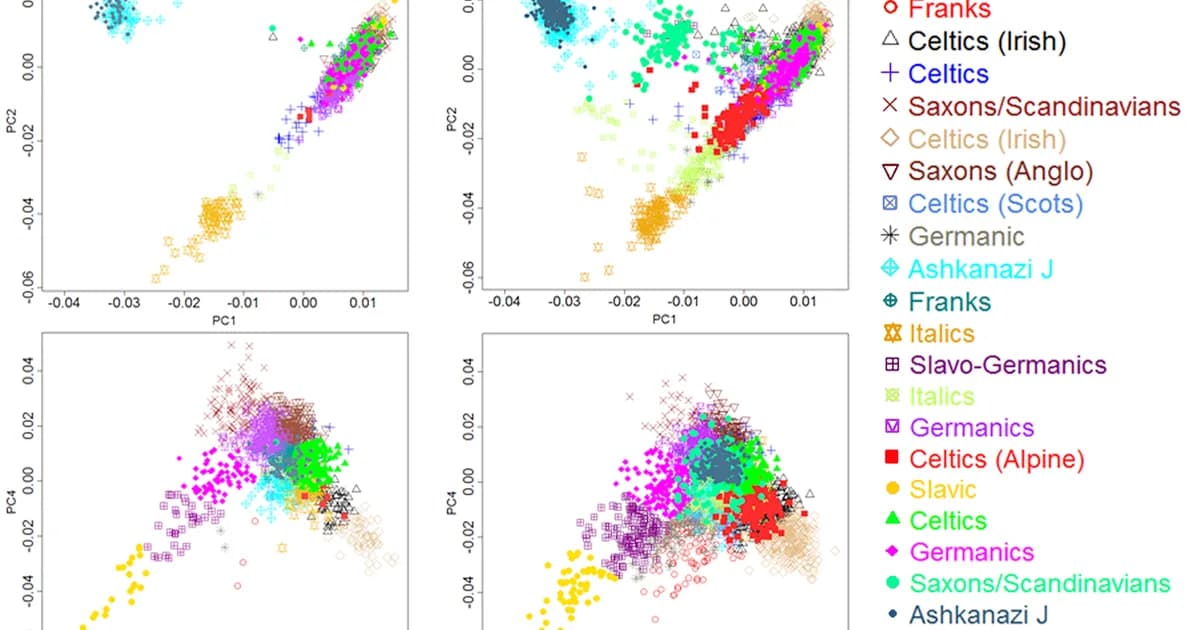
Supervised and unsupervised learning are the two foundational categories of machine learning, and knowing when to use each is one of the most important skills a practitioner can develop. The difference comes down to a single question: does your data come with the answers attached?
This article explains both approaches in plain language, walks through concrete examples, and gives you a simple framework for choosing the right one for your problem.
1. Supervised Learning: Learning From Labels
Supervised learning uses datasets where each example is paired with the correct output, called a label. The algorithm learns the mapping from inputs to outputs so it can predict labels for new data. Email marked as spam or not spam, houses with their sale prices, and X-rays diagnosed by doctors are all labeled datasets.
Supervised problems split into two families: classification, which predicts a category, and regression, which predicts a continuous number such as a price or temperature.
2. Unsupervised Learning: Finding Hidden Structure
Unsupervised learning works with data that has no labels. The goal is to discover structure the data already contains, such as natural groupings of customers or the dominant patterns that explain most of the variation.
- Clustering groups similar items, like segmenting customers by behavior.
- Dimensionality reduction compresses many features into a few while keeping the important signal.
- Anomaly detection flags rare events such as fraudulent transactions.
3. Key Differences at a Glance
The deciding factor
If you have a clear target you want to predict and labeled examples to learn from, use supervised learning. If you want to explore data and uncover patterns without a predefined answer, reach for unsupervised learning.
Supervised models are easy to evaluate because you can compare predictions to known answers. Unsupervised results are harder to validate and often require domain expertise to interpret whether the discovered structure is meaningful.
4. Choosing the Right Approach
In practice the two are often combined. You might cluster customers with unsupervised learning to understand your market, then build a supervised model to predict which segment a new customer belongs to. Semi-supervised approaches even use a small amount of labeled data to guide learning on a large pool of unlabeled data.
5. Key Takeaways
- Supervised learning needs labeled data and predicts a known target.
- Unsupervised learning explores unlabeled data to reveal hidden structure.
- Classification and regression are the two supervised problem types.
- Clustering, dimensionality reduction, and anomaly detection are common unsupervised tasks.
- Real projects frequently combine both approaches.