Crypto Wallets: How to Store and Secure Your Digital Assets
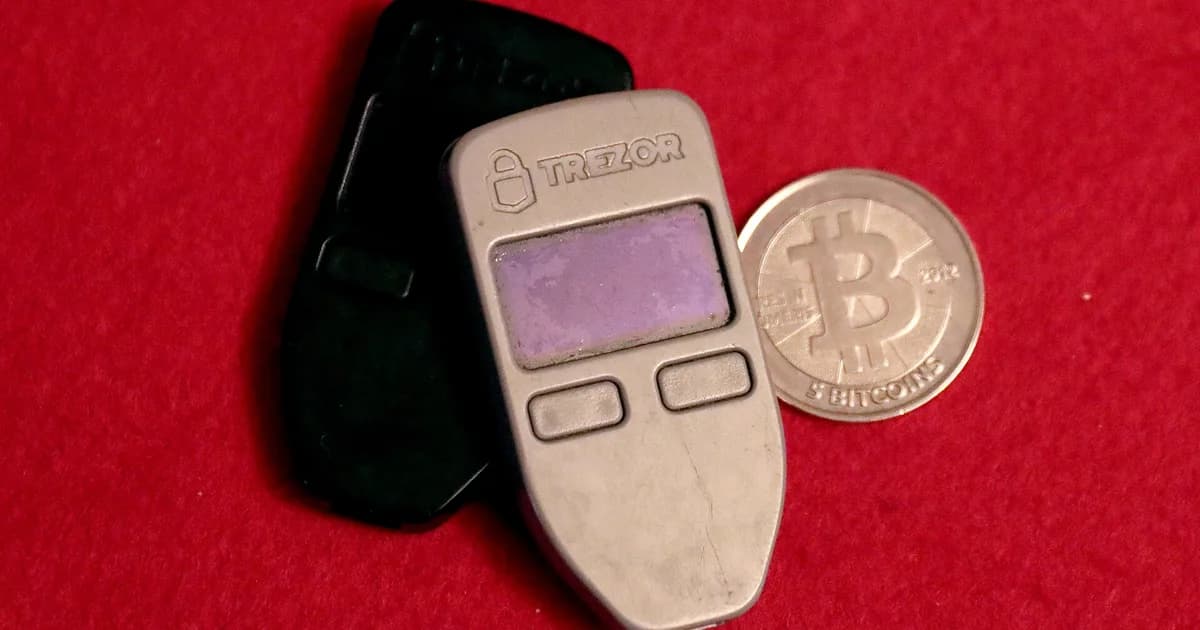
Your crypto wallet is the gateway to everything in Web3, holding the keys that control your digital assets. Understanding how wallets work and how to secure them is the single most important skill for anyone entering this space.
This guide explains the types of wallets, how they keep your assets safe, and the practices that prevent costly mistakes.
1. What a Wallet Actually Holds
A common misconception is that a wallet stores your coins. In fact, your assets live on the blockchain, and the wallet stores the private keys that prove you own them and let you authorize transactions. Whoever holds the keys controls the assets.
2. Hot Wallets Versus Cold Wallets
- Hot wallets are connected to the internet, convenient for everyday use but more exposed to attacks.
- Cold wallets stay offline on dedicated hardware, offering the strongest protection for long-term holdings.
Use the right tool for the amount
Keep small spending amounts in a hot wallet for convenience, and store the bulk of your assets in a cold wallet where attackers cannot reach them online.
3. Guarding Your Seed Phrase
When you create a wallet, you receive a seed phrase of around twelve words that can restore access to everything. Anyone with this phrase controls your funds completely. Write it on paper, store it offline in a safe place, and never type it into a website or share it with anyone.
4. Staying Safe
Verify every transaction before signing, beware of phishing sites impersonating real services, and never approve unlimited spending permissions you do not understand. In Web3 there is no support line to reverse a mistake, so caution is your only safety net.
5. Key Takeaways
- Wallets store private keys, not the assets themselves.
- Hot wallets are convenient; cold wallets are most secure.
- Split funds between a hot wallet and cold storage.
- Your seed phrase is the master key; keep it offline and secret.
- Transactions are irreversible, so verify everything you sign.